
Top 5 molds for fermentation
Fermentation has been around for centuries, a microbial partnership to preserve food and create profound flavors. In this guide, we’ll explore the key molds used in fermentation, their benefits, and how to choose the right, food-grade strains for your projects. Understanding the difference between these domesticated workhorses and wild contaminants is the first step to becoming a master of mold-based fermentation.
WHAT IS FERMENTATION?
Fermentation is a metabolic process where microorganisms like yeasts, bacteria, and molds transform organic compounds—typically carbohydrates—into simpler substances like alcohols, gases, or organic acids. Molds play a unique and powerful role by producing a vast arsenal of enzymes. These enzymes break down complex starches, proteins, and fats into more readily available, flavorful components, paving the way for unique textures and aromas in everything from cheese to soy sauce.
WHAT ARE MOLDS?
Molds are filamentous fungi, a vast kingdom of organisms distinct from plants and animals. In food production, we rely on specific, non-toxic, domesticated strains that have been selected over centuries. These food-grade molds are microbial artists; they are put to work to ripen cheeses, break down soybeans, and even concentrate the sugars in grapes, creating some of the most complex and prized flavors in the culinary world.

5 Key Molds in Food Fermentation
1. PENICILLIUM
This genus gives us the distinctive character of many famous cheeses. Penicillium roqueforti creates the iconic blue-green veins and sharp, peppery flavor of blue cheeses like Roquefort and Stilton. Meanwhile, Penicillium camemberti (or P. caseicolum) is responsible for the beautiful, soft, white rind—the “bloom”—on cheeses like Camembert and Brie. Learn more about Penicillium molds.


2. ASPERGILLUS ORYZAE
Known as ‘koji’ in Japan, this is arguably the most important mold in East Asian cuisine. It isn’t used to ferment the final product directly, but to create an enzymatic powerhouse. When grown on steamed grains (like rice or soybeans), koji produces amylase and protease enzymes that break down starches into sugars and proteins into amino acids. This unlocks the door for making sake, miso, and soy sauce.
Learn more about Aspergillus Oryzae
3. RHIZOPUS OLIGOSPORUS
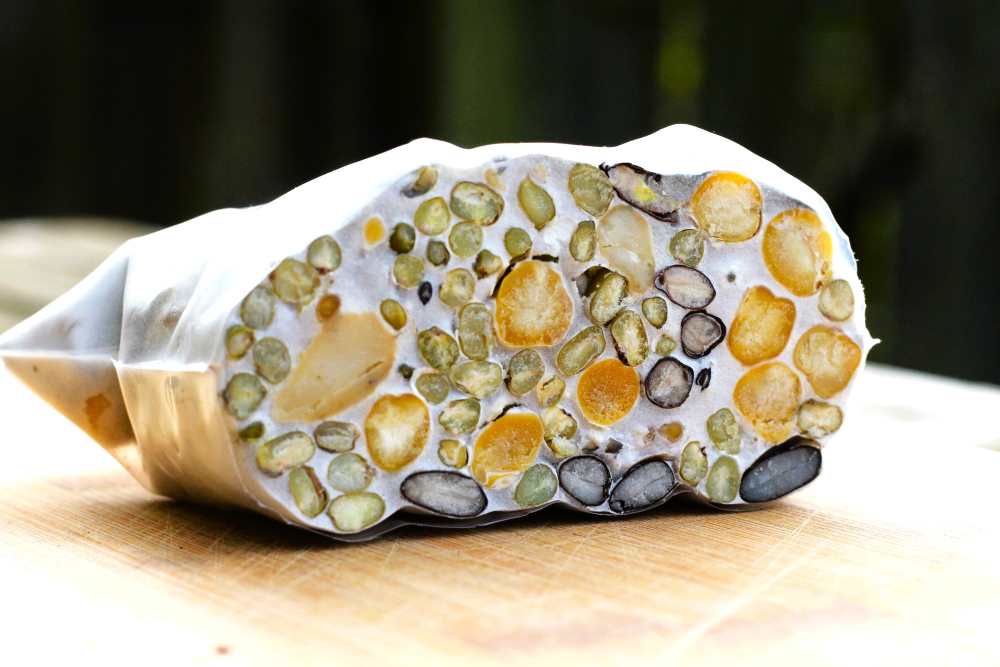
This is the mold behind tempeh. It grows rapidly on cooked soybeans, knitting them together with a dense, white web of mycelium into a firm, sliceable cake. The mold pre-digests the soybeans, making them easier for our bodies to absorb while contributing a nutty, mushroom-like flavor. It’s a fast and fascinating fermentation.
Learn more about Rhizopus for Tempeh

4. GEOTRICHUM CANDIDUM
Often considered a yeast-like mold, this is a key player in the ripening of many cheeses, especially bloomy and washed-rind varieties. It works alongside other microbes to develop the rind, de-acidify the cheese, and contribute to its creamy texture and ‘funky’ flavor profile. It’s a critical component of a cheese’s terroir and complexity.
Learn more about Geotrichum Candidum
5. BOTRYTIS CINEREA (NOBLE ROT)
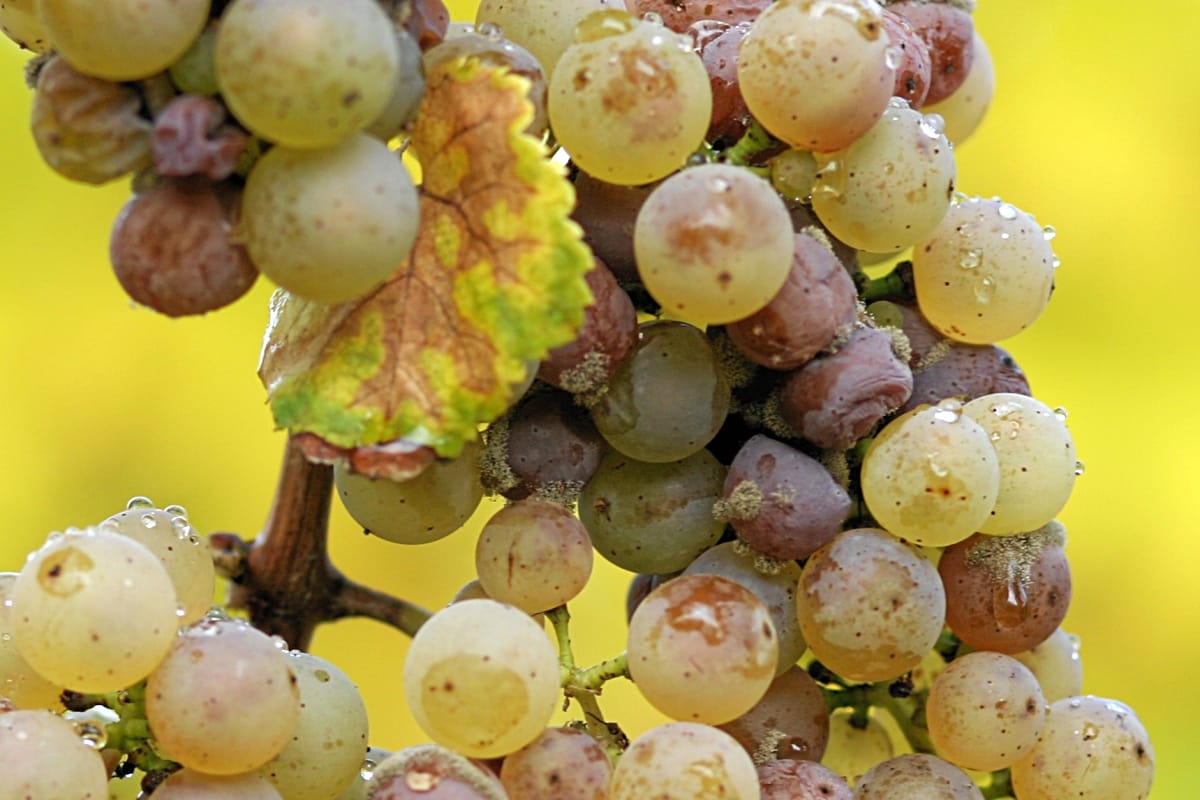
This mold is unique, as it’s a type of controlled rot highly prized in winemaking. Under specific foggy, humid conditions, *Botrytis cinerea* infects ripe grapes. Instead of ruining them, it punctures the grape skins, allowing water to evaporate. This concentrates the sugars and acids, resulting in intensely flavored, complex, and highly sought-after dessert wines, such as Sauternes from Bordeaux and Tokaji from Hungary.
Choosing and Using Molds Safely
Conclusion
Harnessing molds for fermentation is a testament to humanity’s long-standing partnership with the microbial world. By understanding the specific roles of domesticated strains like *Aspergillus oryzae* and *Penicillium roqueforti*, and by prioritizing safety through sanitation and pure cultures, you can unlock a universe of complex flavors. Fermentation is a craft that requires patience and practice, but with the right knowledge and technique, you can create delicious, nutritious, and safe fermented foods at home.
Want to learn more? Take our comprehensive fermentation 101 course.
Learn to ferment safely and creatively
New to Fermentation? Curious? Worries?
Learn all about Fermentation in this 101 online course. In 30 bite-sized, English-spoken video lessons, you will learn you the basics of fermentation. Finally understad what it’s all about.
This course is part of our Fermentation Fundamentals education program.
About the author (Meneer Wateetons)
Meneer Wateetons (a pseudonym derived from the name of his blog, which literally means ‘Mr. what-eats-us’) is a renowned Dutch food writer, PhD scientist, teacher, fermentation expert, sausage maker, and the owner of startercultures.eu. He has written nine books on culinary topics such as fermentation, alcohol production, sausage and charcuterie making, and deep-frying. Through his books, (online) courses, and corporate trainings, he has shared his knowledge with countless hobby cooks, chefs, and food professionals. Learn more about Meneer Wateetons.


Leave A Comment