
Tempeh starter culture | make your own tempeh at home

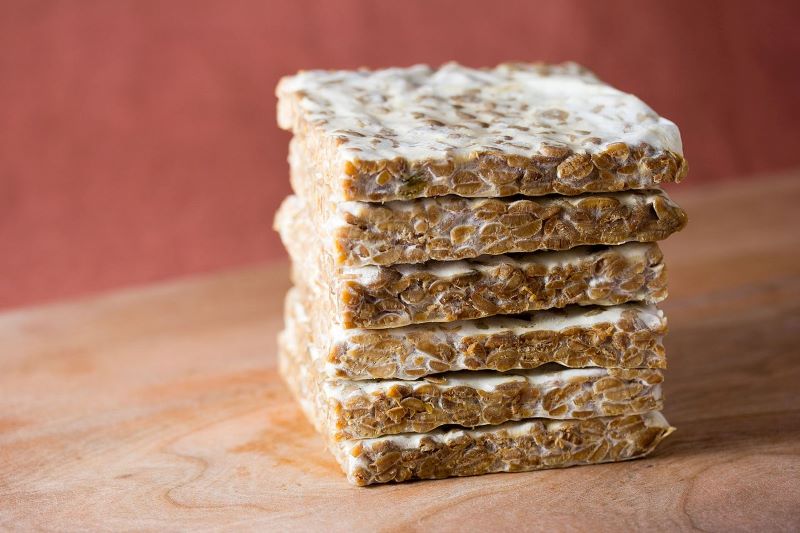

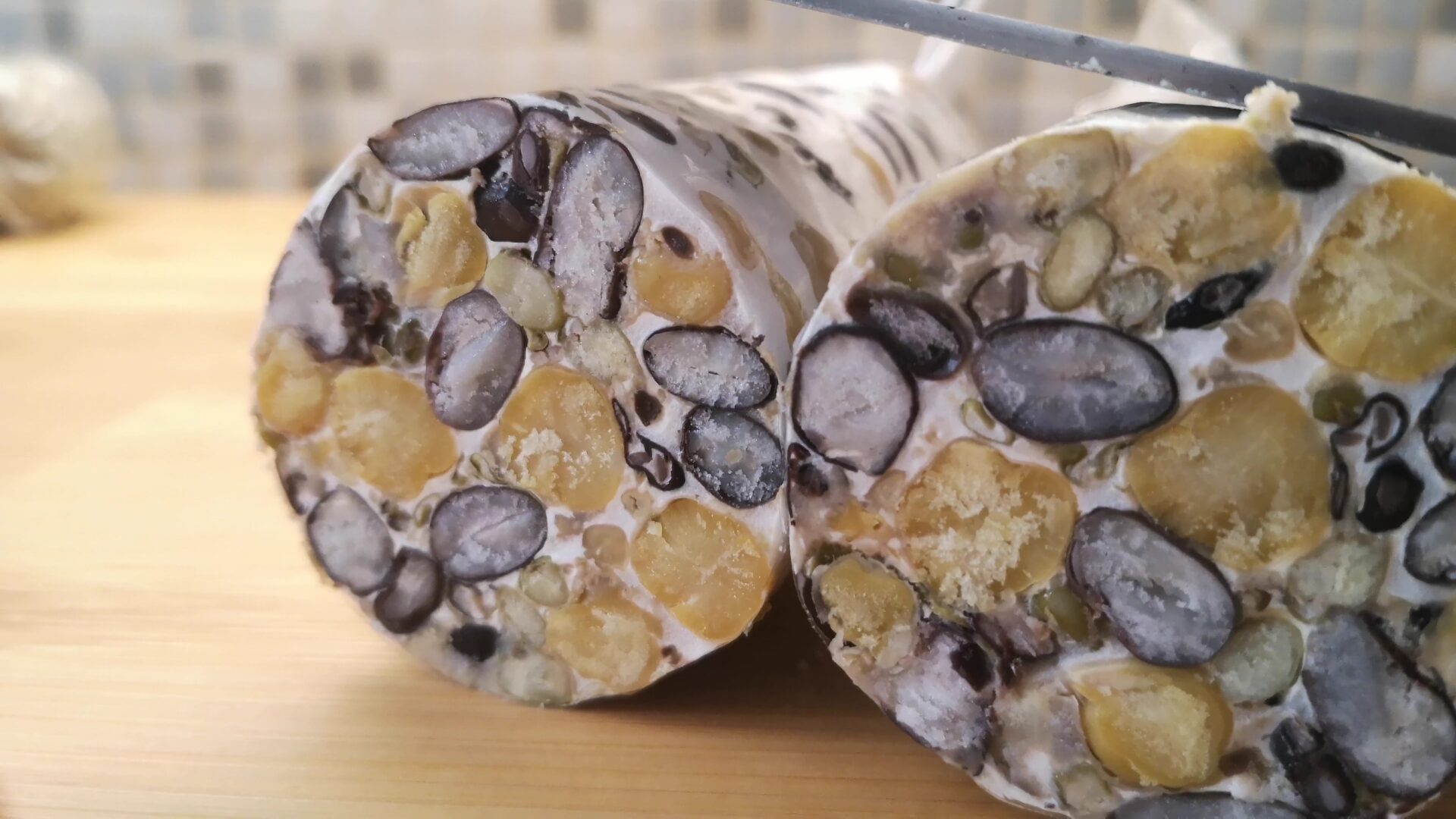
Tempeh is a well-known, nutritious, healthy and tasty fermented soybean cake from Indonesia. You make it from soy beans, but it also works well with other beans.
Product Description
What is tempeh?
Tempeh is a well-known, nutritious, healthy, and tasty fermented soybean cake from Indonesia. You make it from soy beans, but it also works well with other beans. In many cases the result is even tastier. Our Tempeh starter culture is the original Indonesian variety with both Rhizopus Oligosporis and Rhizopus Oryzae fungi.
Content of our tempeh starter
- Content 25 grams, enough for 15 kg of tempeh
- Ingredients: rice flower, Rhizopus oligosporis, Rhizopus oryzae
- Storage instructions: best kept in the fridge for at least 6 months, more than a year in the freezer
- Country of origin: Indonesia
- GMO and salmonella free
- Allergens: none
How to make your own tempeh from our tempeh starter
Ingredients:
- 4 1/2 cups hulled soy beans (if using beans with the hulls intact, see below for extra steps)
- 2 tbsp. Vinegar
- 2 ½ tsp. Tempeh Starter
The amount of tempeh starter needed per kilogram of soybeans depends on the specific tempeh recipe being used. However, as a general guideline, you can use around 2-3 grams of tempeh starter per kilogram of soybeans
Steps to make your own tempeh:
- Soak the beans: Place the beans in a large bowl of water with an extra 3 inches on top. Leave it over night or for at least 12 hours.
- Boil the soybeans for one hour or more to cook. If using a pressure cooker for about 45 min.
- Dehull the beans by slowly rubbing the beans together in plenty water. The hulls will start to flow on top. Scoop them off.
- Discard the cooking water and dry the beans (either using a towel to pat them dry or setting over low heat in the pot to evaporate the water off the beans). It is important for the beans to be dry to the touch, as too much moisture can ruin the batch.
- Place the beans in a dry bowl and allow the beans to cool to skin temperature (appr. 37˚ C)
- Add the vinegar and mix well.
- Add the tempeh starter and mix well to evenly distribute the starter in the beans.
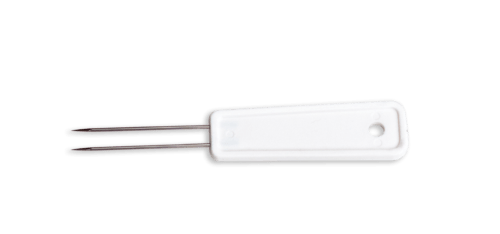
- Place the beans in two vented plastic bags (e.g. ziplocks ) with needle-size holes poked through for ventilation. The beans should be 1 – 1.5 inches thick. Make sure the bags “fits” and is not too big, and press the beans flat up to the corners of the bags.
- Incubate the beans at 25-35 °C for 24-48 hours.
- Check the beans after 12 hours. At this point in the process the fermentation will cause the beans to generate their own heat so you will normally need to reduce or even eliminate the external heat source. Be sure to use a thermometer to check the actual temperature.
- After 24 hours or so, the white mycelium will start to cover the surface of the beans. Over the next few hours the white mycelium will grow through the beans and will smell nutty.
Frequently Asked Questions about tempeh
Is tempeh healthy?
Absolutely! Tempeh is like the overachiever of the fermented food world. You’re getting about 20 grams of protein per 100-gram serving – that’s pretty impressive for something that started as humble soybeans. But here’s where it gets really interesting: the fermentation process doesn’t just make it taste better, it actually makes the nutrients more available to your body. Think of it as pre-digestion that saves your gut some work. The fermentation also creates probiotics, those friendly bacteria that keep your digestive system happy. Plus, studies suggest tempeh might help with cholesterol levels and bone health. For anyone avoiding meat, it’s a complete protein, meaning it has all the essential amino acids your body needs. So yes, tempeh is very healthy.
Is tempeh gluten-free?
Good news, yes, our tempeh starter culture as well as the soy bean tempeh traditonally made from it is naturally gluten-free! But here’s the thing: not all tempeh is created equal. Some commercial varieties might sneak in grains like barley, or they could be made in facilities where gluten hangs around. If you’re dealing with celiac disease or serious gluten sensitivity, always double-check those labels. Also, you can make tempeh from other ingredients than soy, even grains that may contain gluten.
Can you eat tempeh raw?
Technically? Yes, you can. The cooking and fermentation processes have already done the heavy lifting of breaking down those soybeans, making them safe to eat straight up. But should you? Well, that’s another story. Raw tempeh has this pretty intense, sometimes bitter flavor that most people find… let’s say “challenging.” So while you won’t get sick from eating it raw, your taste buds will probably thank you for prepare it first. Steaming, cooking, deepfrying: many options.
How do I make tempeh taste good?
Some people find the beany tempeh taste to be a bit intense. But, not to worry. There are few ways to avoid this. First: it’s like a flavor sponge! The secret is marinating it properly. Mix up some soy sauce, garlic, and whatever spices make you happy, then let the tempeh soak it up for at least 30 minutes. Or, do so after deep frying, such as in the famous tempeh goreng sambal recipe. Google it, you won’t regret it. Second: steam or boil your tempeh for about 10 minutes before marinating. This mellows out any bitterness and opens up those protein fibers so they grab onto marinades better. Finally: make tempeh out of something else than soy. Any bean will work!
Online tempeh making course 
Read More >
82 reviews for Tempeh starter culture | make your own tempeh at home
| 5 star | 95% | |
| 4 star | 4% | |
| 3 star | 0% | |
| 2 star | 0% | |
| 1 star | 0% |
Tempeh is a well-known, nutritious, healthy and tasty fermented soybean cake from Indonesia. You make it from soy beans, but it also works well with other beans.



Fast and correct.
Not used yet, but I know the product and have experience with it. So it’s good.