

All you want to know about natto (including a recipe!)
Category: fermentation,Learn
What is natto? Nattō is a Japanese food made of fermented soybeans. For the preparation we use the bacterium Bacillus subtilis var. natto. Natto can also be made with beans or grains other than soybeans, such as barley.
The history of natto dates back more than a thousand years to the Heian period in Japan (794-1185). However, the exact origin of Japanese natto is not fully known. There are several theories about how it originated, but one of the most common is that it was accidentally discovered when cooked soybeans began to spontaneously ferment during humid summers. This led to the discovery of the unique properties and taste of this Japanese natto.

How healthy is natto?
Natto is very healthy! Natto contains several nutrients, including plant protein, fiber, vitamin K, nattokinase and probiotics. These nutrients can have various positive effects on the body.
Regular consumption of natto as part of a balanced diet and healthy lifestyle can contribute to healthy digestion, improved nutrient absorption, strong bones and a healthy heart. It can also contribute to a sense of fitness, thanks to its combination of protein, fiber and probiotics.
Please however do not self-medicate with natto in case of cardiovascular problems, always seek professional help.
How many grams of natto should you eat per day?
If you want to incorporate natto into your diet, you can start with small portions and listen to your own body and reaction.
Some people enjoy a serving of natto as part of their breakfast or as a snack, while others use it as an ingredient in meals.
Of course, it is always important to ensure a balanced intake of nutrients from various sources.

What does natto taste like?
Natto has a distinctive taste that is difficult to compare with other foods. It is funky, with a savory and nutty taste, with slight bitters.
Some people describe the flavor as umami-rich, referring to a savory and pleasant taste often associated with certain foods such as mushrooms, miso and blue cheese.
However, the taste of natto can be quite strong and intense, and it is not unusual for people trying natto for the first time to take some time to get used to the flavor. The texture also contributes to the unique taste experience, as natto is remarkably sticky and slimy.
What are some pros and cons to eating natto?
Why natto is great
Why it may not for everyone

How to make your own Nattō with a natto starter
This recipe is for 250 grams of dry soy beans, but you can make less if you want to. After soaking and cooking this will give you around 500 grams of natto.
Tools:
Ingredients:
- 250 grams of dry soybeans
- gram (1 bag) natto starter dissolved in a small amount of (preferably distilled) water.
Preparation
- Wash the beans and soak them overnight in plenty of water.
- Cook the beans until soft.
- The beans do not need to be dehulled.
- Mix the starter with the still warm beans.
- Allow to cool to about 40 °C.
- Ferment covered with plastic wrap with some holes pricked in a lukewarm oven at about 40 °C (38-45) for 24-36 hours. Note: not higher than 45 ° C.
- Test the natto: a kind of slimy wires should have developed between the beans.
- Let mature in the refrigerator for around 24 hours before eating
How long does natto keep?
Natto is considered a perishable food and should be stored in the refrigerator.
Generally, it is recommended that natto be consumed within 2 to 3 days of making. It is important to check for any signs of spoilage, such as unpleasant odor, mold or changes in texture, and discard the product if necessary.
If you make it yourself, you can freeze portions.
Want to learn more? Take our natto course
In this online course, Meneer Wateetons teaches you how to make your own natto from now on, just in your own kitchen, and how to make whole new kinds of natto from beans other than soy, which are therefore tastier, prettier and more original than those from the store.


About the author (Meneer Wateetons)
Meneer Wateetons (a pseudonym derived from the name of his blog, which literally means ‘Mr. what-eats-us’) is a renowned Dutch food writer, PhD scientist, teacher, fermentation expert, sausage maker, and the owner of startercultures.eu. He has written nine books on culinary topics such as fermentation, alcohol production, sausage and charcuterie making, and deep-frying. Through his books, (online) courses, and corporate trainings, he has shared his knowledge with countless hobby cooks, chefs, and food professionals. Learn more about Meneer Wateetons.
Get your natto ingredients and tools at startercultures.
Want to get into natto making? Check out out starter cultures and tools for all things fermented, including natto!


Related Posts

How to make cheese (including a recipe)
How do you make cheese? In this blog post we will teach you the basics of cheese making, including a recipe for your first Gouda style cheese!
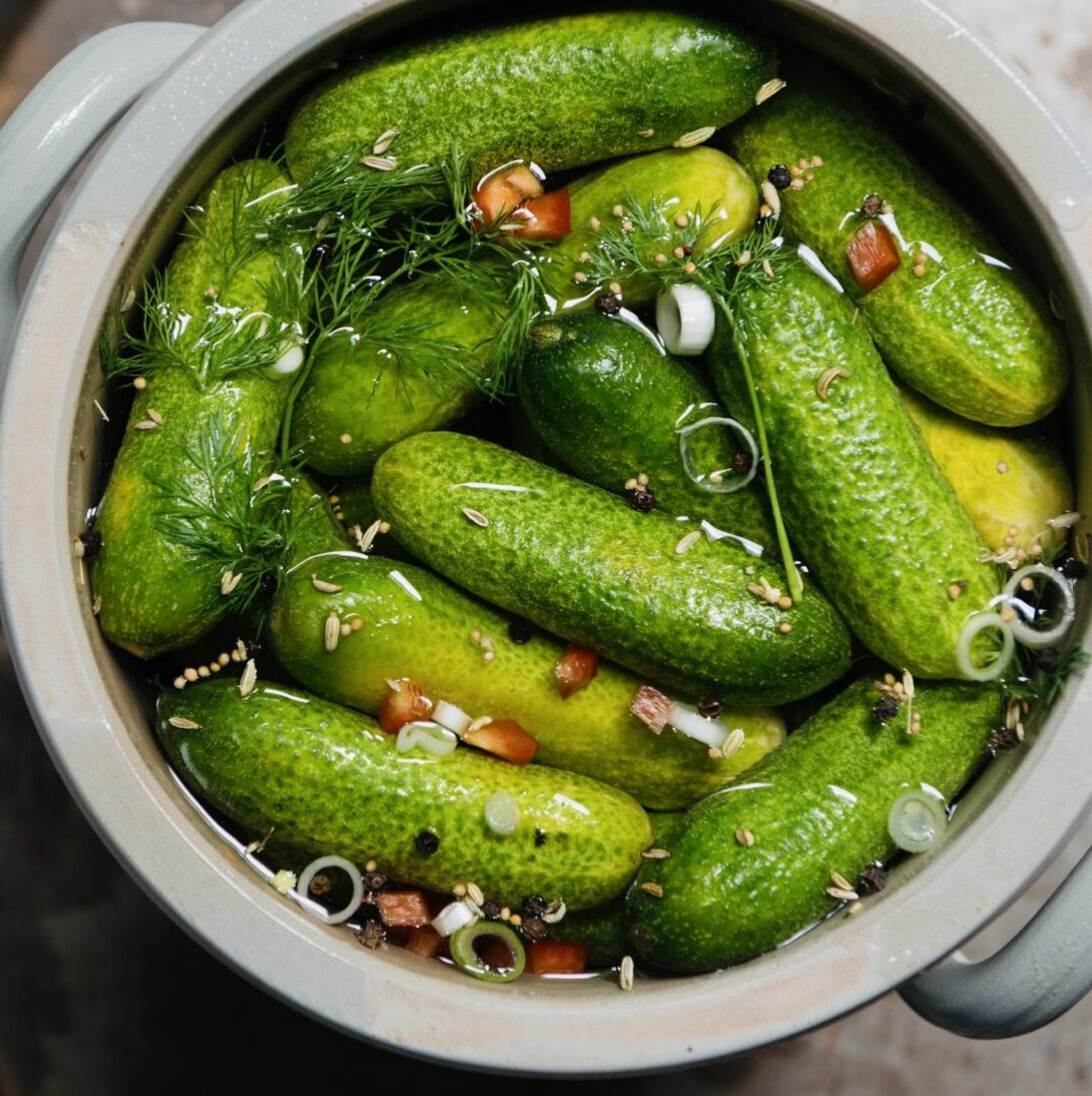
How to make your own real fermented pickles
Learn how to make your own crunchy fermented pickles. Easy recipe with tips, variations, and answers to common questions.
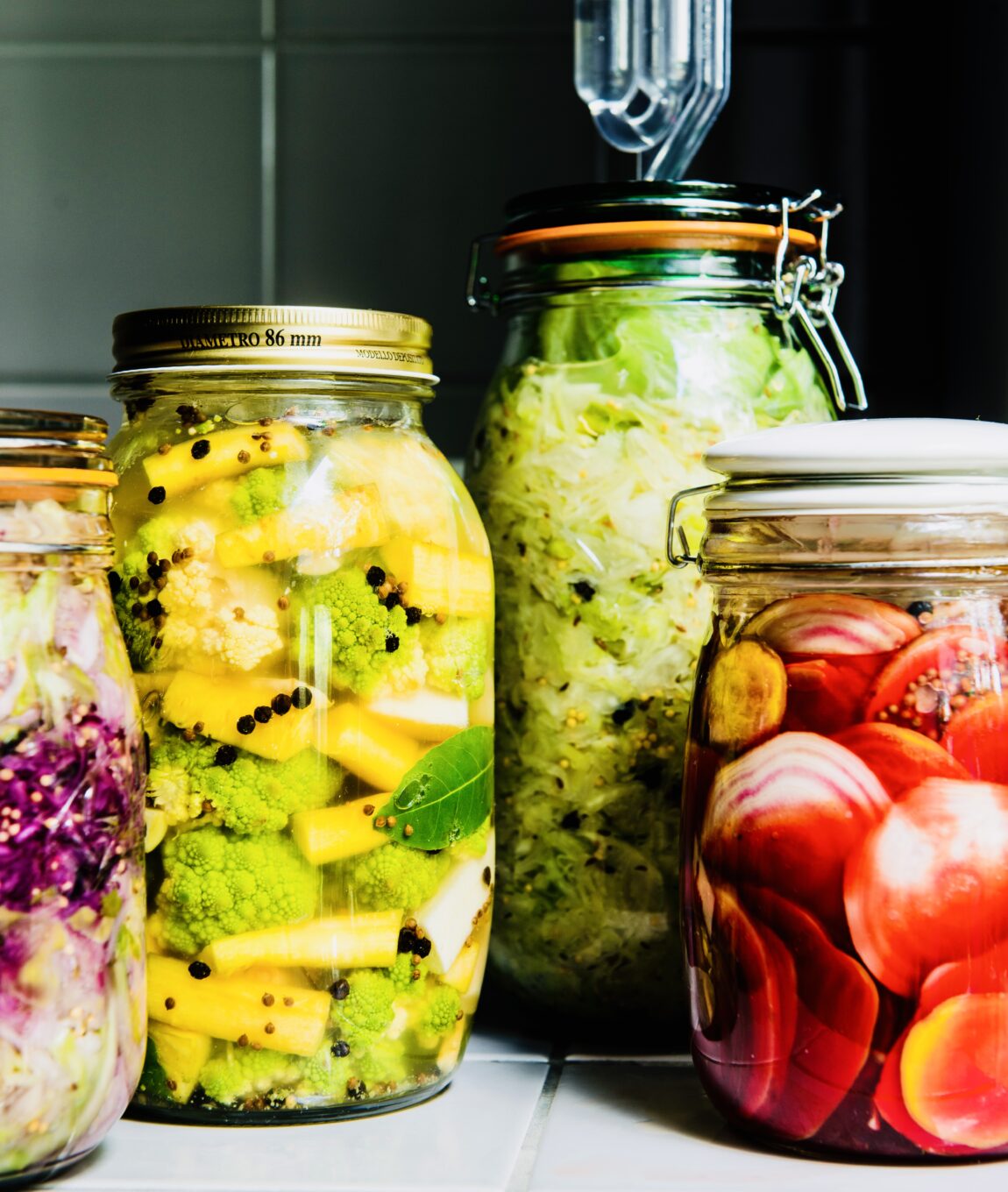
How to Ferment Vegetables: A Beginner’s Step-by-Step Guide
Learn the simple art of vegetable fermentation. This guide covers the science, the right salt ratio, and includes an easy sauerkraut recipe to start your first successful ferment today.