

Koji
Koji is an essential component in the production of traditional Asian foods such as soy sauce, miso, and sake. However, its versatility extends far beyond these staples, unlocking a treasure trove of flavors and textures.
🛒 Looking to buy koji? Startercultures offers no less than 8 koji types, for all your koji needs. Choose the one that best fits your goal. If you have questions, hit us up in the chat.





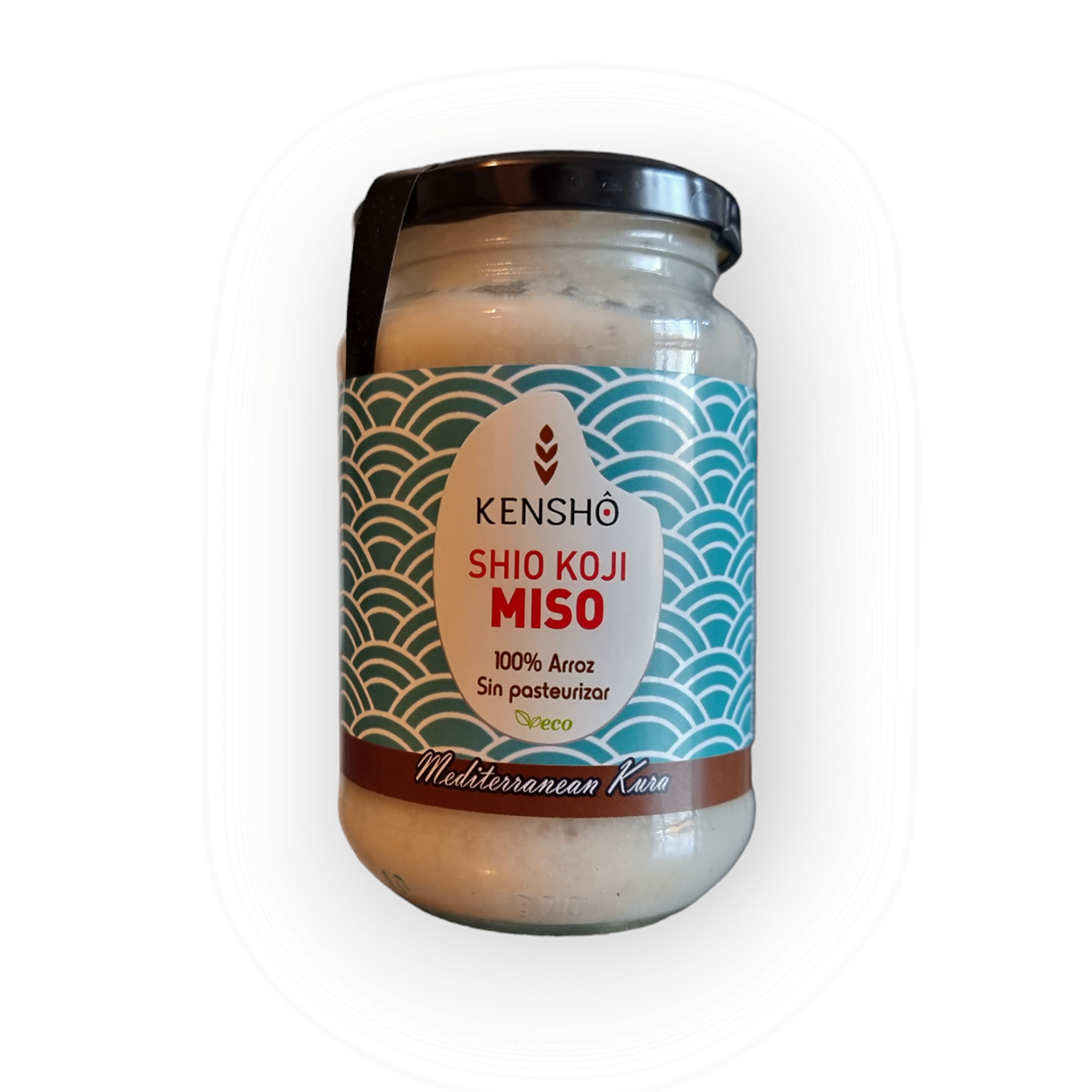


Prepare to embark on a culinary adventure as we dive into the captivating world of koji! Working with koji is an awe-inspiring journey where science, tradition, and flavor converge to create truly magical food.
Koji, often described as a ‘hidden gem’ and ‘The Next Big Thing’ in the world of cooking, has been transforming the Asian culinary landscape for centuries, but its secrets are only now beginning to captivate the palates of food enthusiasts around the globe.
Koji is an essential component in the production of traditional Asian foods such as soy sauce, miso, and sake. However, its versatility extends far beyond these staples, unlocking a treasure trove of flavors and textures.
Why is koji such a wondrous ingredient, you may ask? The answer lies in its ability to enhance and elevate a multitude of dishes. From its astonishing umami-creation to its transformative powers in tenderizing proteins and creatingcomplex flavors, koji possesses an unparalleled ability to take culinary creativity to new heights.
🛒 Looking to buy koji? Startercultures offers no less than 8 koji types, for all your koji needs. Choose the one that best fits your goal. If you have questions, hit us up in the chat.
What is koji?
Koji is a mold that has been used in East Asia for centuries to ferment foods and beverages. It is made by growing the mold Aspergillus oryzae on a steamed grain, such as rice, barley, or wheat.
What’s the difference between koji, koji kin, tane koji and Aspergilus oryzae?
‘Koji kin’ is the Japanese word for the mold Aspergillus oryzae. ‘Koji’ is the rice or other substrate that has been grown over by this mold. Tane koji is seed koji, so the spores you buy to make your own koji kin. In practice, these terms are often mixed up. No big deal.
What are some traditional applications of koji?
Koji is used in a wide variety of foods, including sake, soy sauce, miso, and (rice)vinegar.
- Sake: Koji is the key ingredient in sake, a traditional Japanese alcoholic beverage. The mold produces enzymes that break down the starches in rice, converting them into sugars. These sugars are then fermented by yeast to produce alcohol.
- Soy sauce: (shoyu) Koji is also used to make soy sauce, a popular Asian condiment. The mold is grown on soybeans, which are then mixed with water and salt. The mixture is fermented for several months, during which time the koji produces enzymes that break down the proteins in the soybeans. This process gives soy sauce its characteristic flavor and umami taste.
- Miso: Miso is a Japanese paste made from fermented soybeans, rice, and barley. Koji is used to ferment the soybeans, which gives miso its characteristic flavor and nutritional value.
- Vinegar: Koji can also be used to make vinegar. The mold is grown on a substrate of grain, such as rice or wheat. The mixture is then fermented for several weeks, during which time the koji produces enzymes that break down the starches in the grain. This process produces acetic acid, which is the main component of vinegar.
How does koji produce flavor?
The mold produces a wide range of enzymes that break down the starches into sugars (amylase), proteins into amino acids and fats into fatty acids. These sugars can then be fermented by yeast to produce alcohol, or by bacteria to produce acids. The endproducts of the breakdown of proteins and fats are extremely tasty, giving rich umami (savory) notes. For example, the enzymes in the molds turn bland rice and soy beans into a deep, rich and complex food product we know as miso. This transformation is close to magic!
What are some modern applications of koji
In recent years, koji has begun to gain popularity in Western kitchens as chefs have discovered its many culinary applications. For example, making miso’s or ‘soy sauces’ out of other ingredients than traditionally associated with them.
Koji can be used to add flavor, texture, and nutritional value to a wide variety of dishes. It can also be used to create completely new and innovative flavors.
Here are some novel applications for koji in culinary use:
- Koji-fermented vegetables: Koji can be used to ferment vegetables, such as carrots, cucumbers, and onions. This process gives the vegetables a unique flavor and texture that is both savory and umami. They are sometimes refered to as ‘vegetable charcuterie’. Koji-marinated meats: Koji can be used to marinate meats, such as chicken, pork, and beef. This process tenderizes the meat, adds a unique flavor and shortens the aging process of cured meats significantly.
- Koji-infused oils: Koji can be used to infuse oils with flavor. This process can be used to create flavored oils for salad dressings, vinaigrettes, and other dishes.
- Koji-based sauces: Koji can be used to make sauces, such as teriyaki sauce, barbecue sauce, and Worcestershire sauce. Koji-based sauces add a unique flavor and depth of flavor to dishes.
- Koji-baked goods: Koji can be used to add flavor and texture to baked goods, such as bread, cakes, and cookies. Koji-baked goods have a unique flavor that is both savory and sweet.
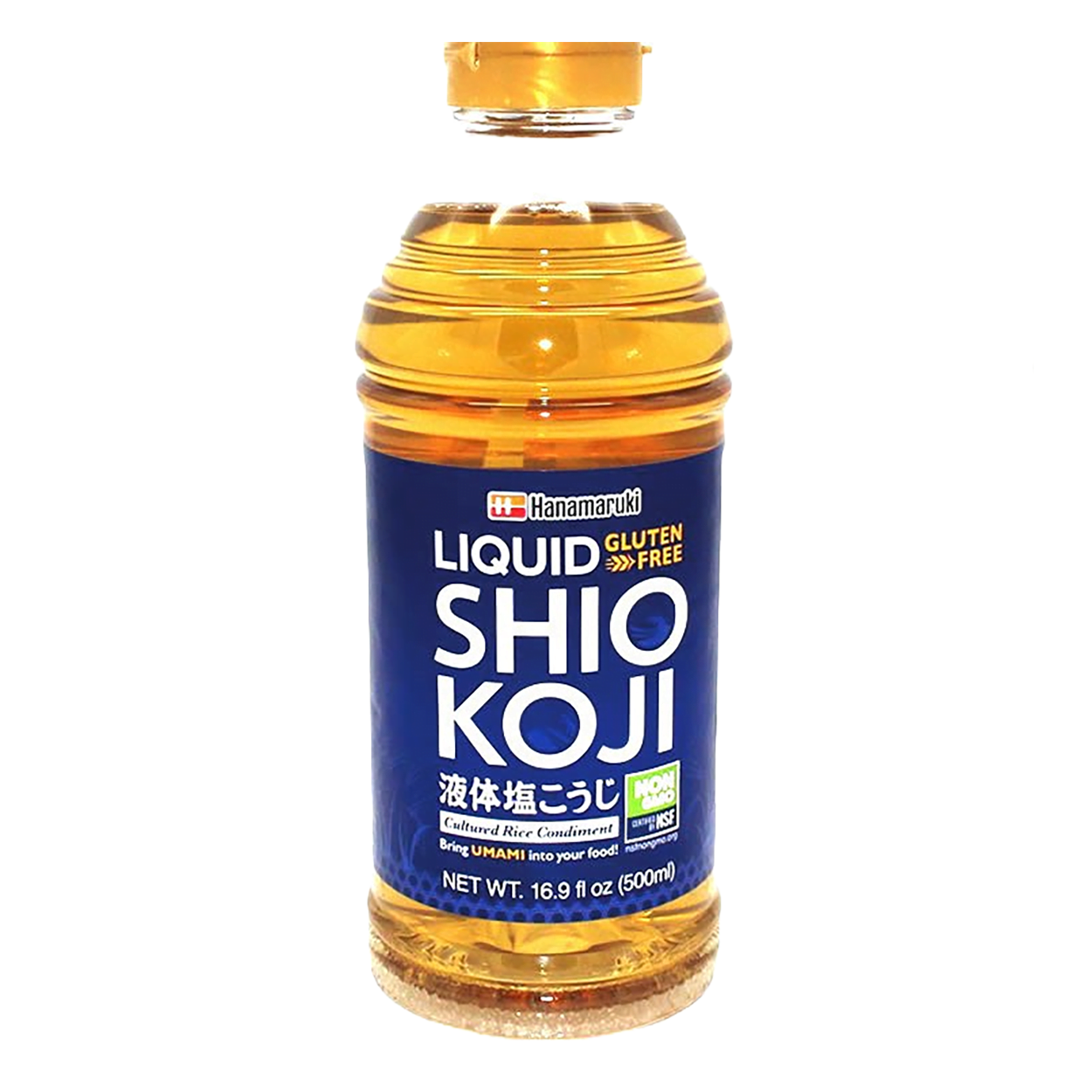
- Shio koji: shio koji is a liquified form of koji, making it ideal for quick marinades adding umami to many ingredients in a matter of hours.
How is koji relevant for chefs and adventurous cooks?
Koji is a valuable tool for creative chefs. It can be used to add savory flavors enhancing the umami of of a wide variety of dishes, particularly in plant based cuisine. It’s also great for improving textures, it can make meat more tender and vegetables more crisp. It can also create completely novel flavors, such as deep chocolate flavors without the use of cacao beans.
Want to make koji? The easiest way to get started with koji!
The easiest way to get started using this magical ingredient is buy premade koji, so rice with the koji mold already on it. An alternative is using shio koji, which is a liquid koji enzyme marinade. Using either one of the two will saves you the hassle of growing koji yourself, which requires a controlled environment.
Growing koji yourself
Growing koji yourself can also be done and is not that difficult. Inocculate steamed (not cooked) white rice with the tane koji (seed koji) and mix in in really well. Now let it ferment for 24 hours in a warm (30-35 C) and very humid environment. Afert 24 hours, mix again and watch closely for the next 12 hours. The rice will start to turn white with mold. When you start to see green or brown spots it’s time to stop. Your rice should smell floral and sweet, weith some herbal tones and is ready to use.
👉Want to learn how to make miso? Want to see al steps demonstrated? Check out our online miso making workshop!
Seeking to buy koji? What koji should you choose?
Startercultures offers no less than 8 koji types, for all your koji needs. Choose the one that best fits your goal. If you have questions, hit us up in the chat.
Koji rice – easy product to get started with working with koji. Just add water
Shio koji – great for quick marinades and other koji experiments. Not suitable for making miso or shoyu.
Koji for shoyu – first choice if your aim is to make shoyu, but a good allrounder for all other products as well
Koji for miso – obviously your first choice when making miso, but will work for other applications as well. Equally strong in breakdown of proteins and carbohydrates.
Barley koji – To be used for all misos and soy sauces based on barley instead of rice. Has both a strong protease and moderate strong amylase power. Tends to turn brownish green quickly. A Noma favorite.
White koji – it is best for making koji rice, amazake (sweet sake), sake, white miso, shio-koji and other light-colored foods and beverages. It can also be used for miso and shoyu. It is also known as ‘light rice koji’.
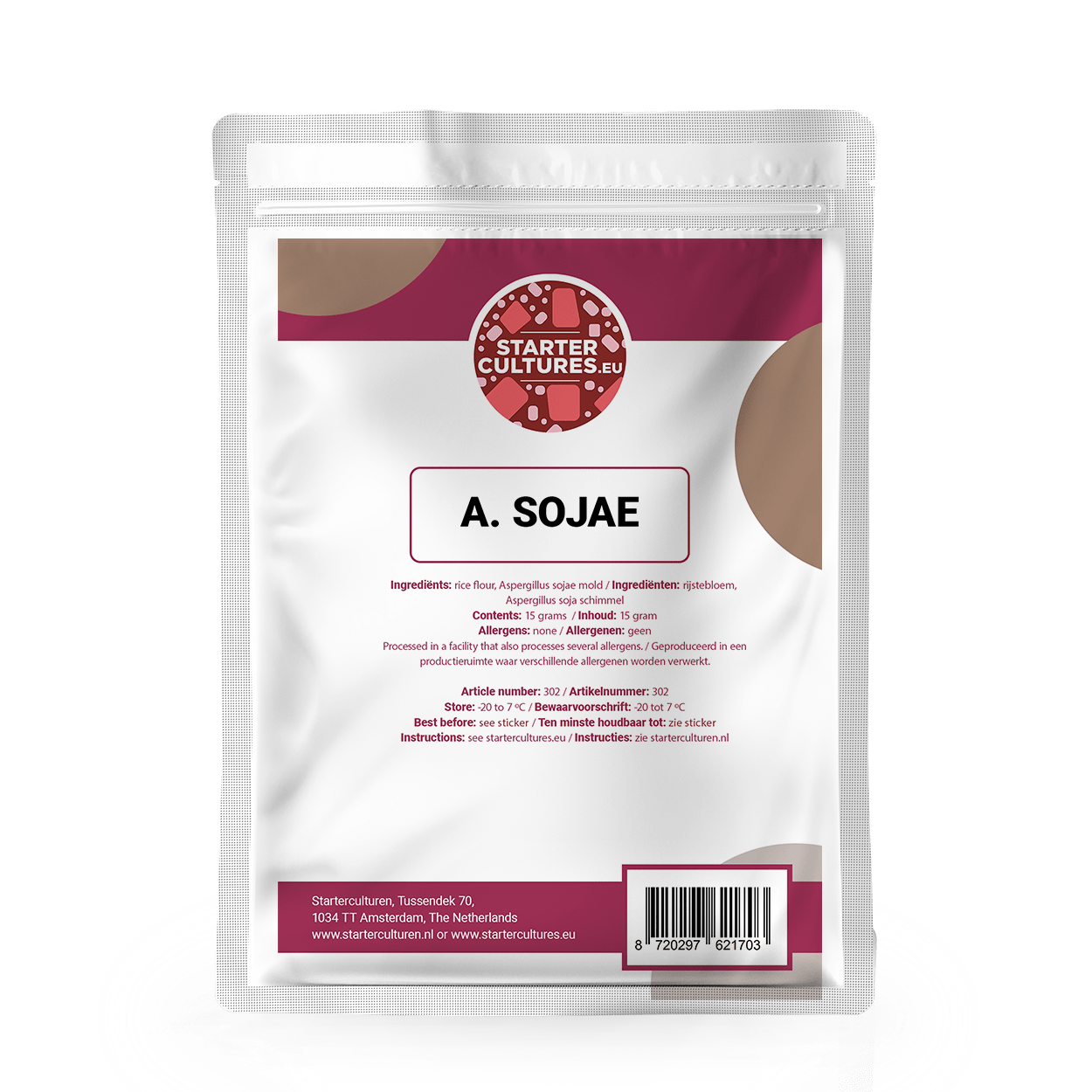
A sojae – a different organism – A sojae is particularly good at breaking down proteins, and hence creating umami. In Japan, it is most often used to make soy sauce, but also miso, mirin, and other fermented condiments such as tsukemono.
A. luchuensis – a different organism, also called black koji. It does indeed grow greyish-black. Creates a strong acidic flavor. A specialty koji, not for beginners. A Noma favorite.