
Nigari- tofu coagulant

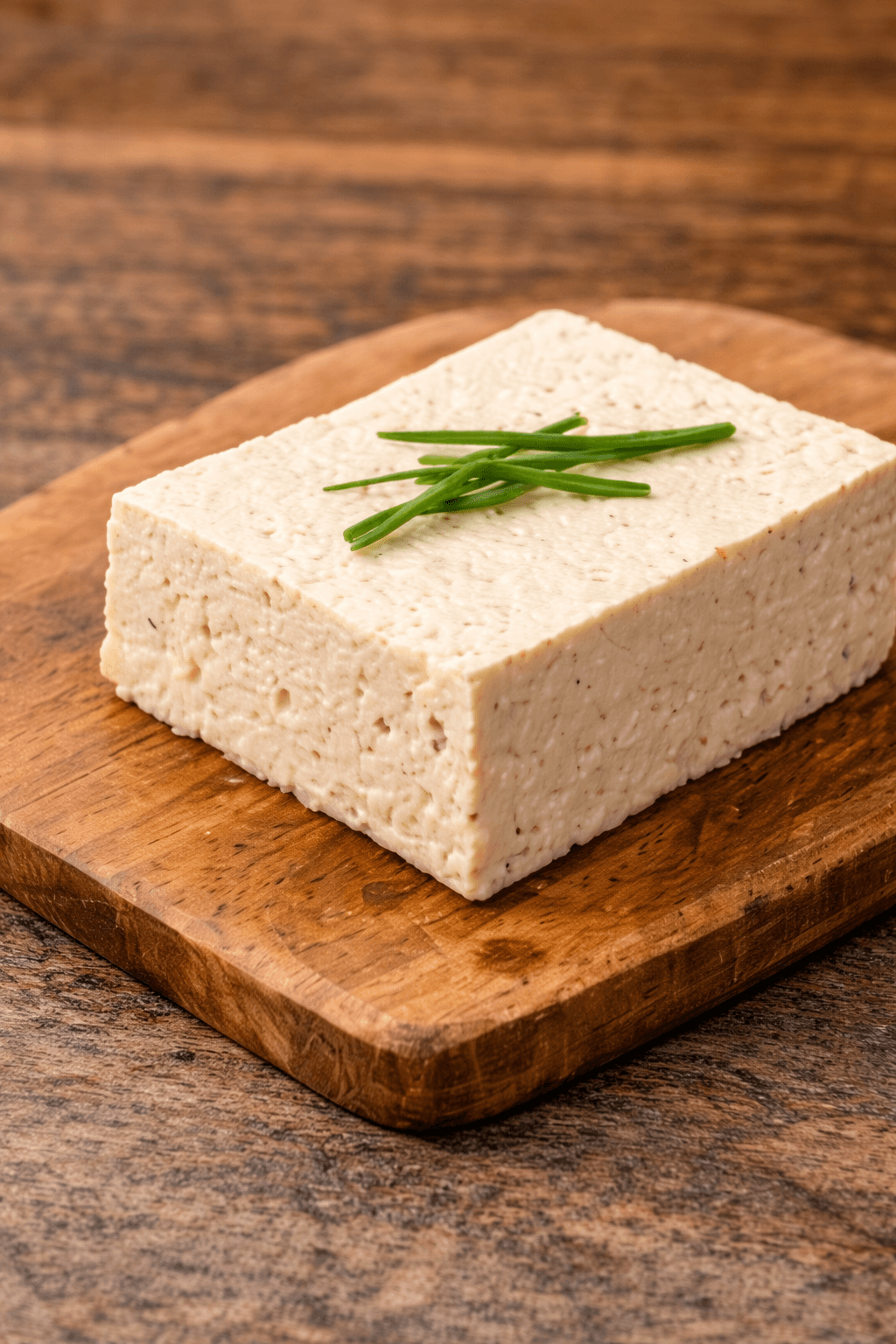

Tofu or bean curd is a kind of young ‘cheese’ made from curdled soybean milk. Make your own Japanese-style tofu with with our nigari tofu coagulant
Product Description
Tofu or bean curd is a kind of young ‘cheese’ made from curdled soybean milk. Make your own Japanese-style tofu with with our nigari tofu coagulant
What is tofu
Tofu or bean curd is a kind of young ‘cheese’ made from curdled soybean milk. It is popular as a meat substitute and is very nutritious. Homemade is infinitely better than store-bought. Moreover, you get soybean paste that you can use to make black oncom. You need a different rennet for tofu than for milk. Tofu itself is not fermented, but you can ferment it, for example into stinky tofu. But you probably shouldn’t because it’s not called that way without reason.
What is nigari?
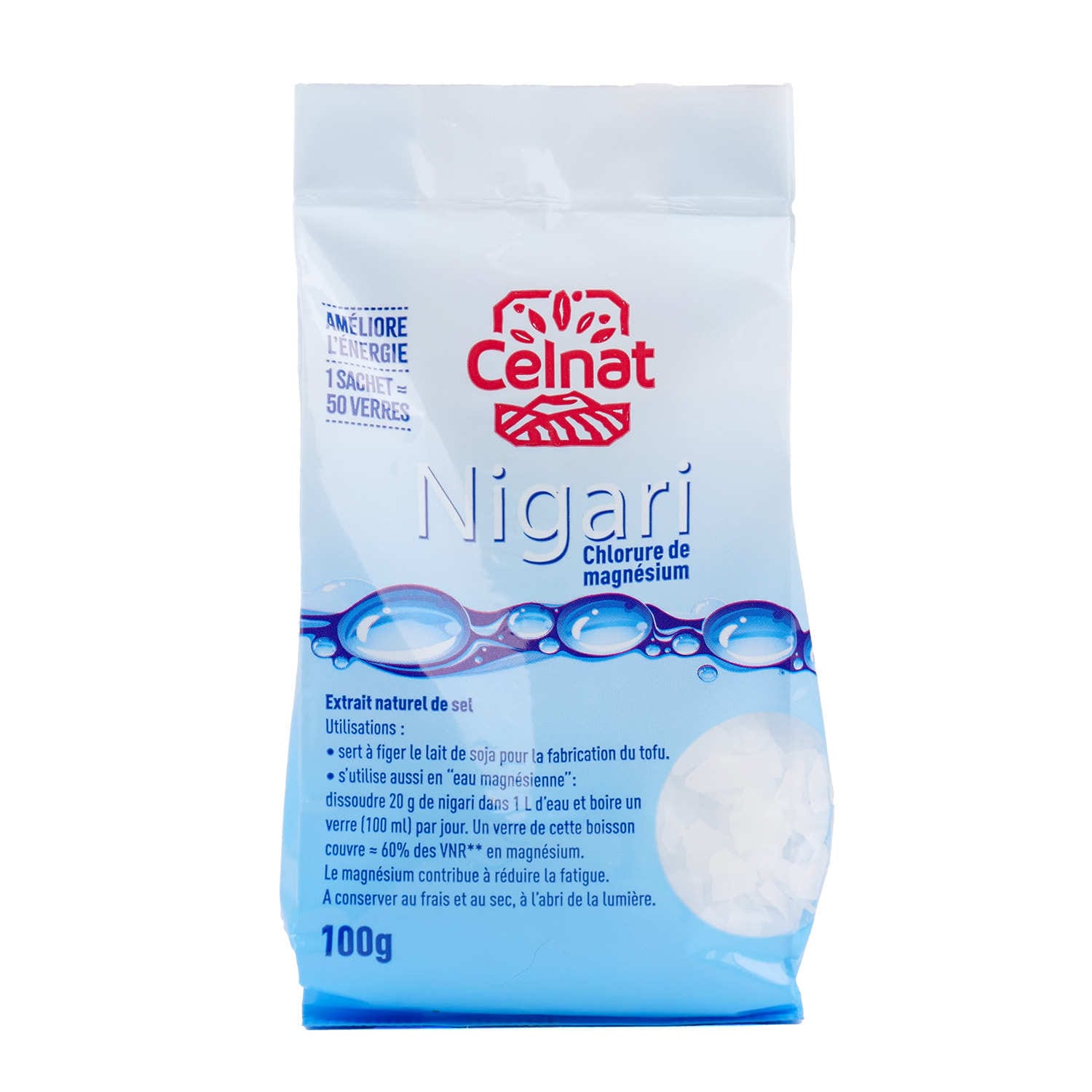
Nigari is the mineral-rich liquid left behind after table salt has crystallised from seawater. The term comes from the Japanese nigai, meaning bitter, which already hints at an important point: accurate dosing is essential with this coagulant. Use too much, and your tofu will develop an unpleasant bitterness. Use it correctly, and you’ll get tofu with a delicate mineral note, sometimes described as lightly umami, that’s hard to achieve with other coagulants.
In Japan, nigari has been the preferred coagulant for centuries. While Chinese-style tofu is usually made with calcium sulfate (gypsum) because of its slow and forgiving behaviour, Japanese tofu makers favour nigari precisely because it requires more precision and skill, resulting in tofu with more character. The product offered here is food-grade magnesium chloride (MgCl₂), the purified active component of traditional nigari.
Contents
- 100 grams
- Ingredient: magnesium chloride – foodgrade
- Storage instructions: room temperature, indefinately
Three coagulants, three results
There are three commonly used coagulants in home tofu making, each suited to a specific style.
Calcium sulfate (gypsum) is the most beginner-friendly option. It dissolves slowly and coagulates gently, giving you more control and room for error. The result is smooth, slightly springy tofu with a mild, subtly sweet taste. It also enriches the tofu with calcium, making it a great starting point.
Nigari (magnesium chloride), the product described here, behaves quite differently. It dissolves immediately and acts quickly, meaning your timing and stirring technique need to be precise. The reward is tofu with a firmer, slightly rustic texture and a mineral depth that gypsum simply doesn’t provide. This is the classic choice in Japanese tofu making.
GDL (glucono delta-lactone) belongs in a category of its own. It isn’t a salt but a slow-acting acid that gradually converts into gluconic acid, lowering the pH of soy milk evenly. This allows the entire mixture to set into a smooth, custard-like gel. This is how silken tofu is made, both commercially and at home. It cannot be pressed into blocks and doesn’t work with gypsum or nigari.
In short: use gypsum for versatile block tofu, nigari for Japanese-style tofu with more depth, and GDL for silken tofu. Many dedicated tofu makers keep all three on hand.
How to make tofu with nigari
This recipe yields approximately 300–400 g of tofu.
Ingredients:
- 250 g dried soybeans
- approx. 2 litres of water (for making soy milk, after soaking)
- 6 g nigari (magnesium chloride), dissolved in 100 ml warm water
Equipment:
- Blender or food processor
- Large pot
- Fine cheesecloth or nut milk bag
- Thermometer
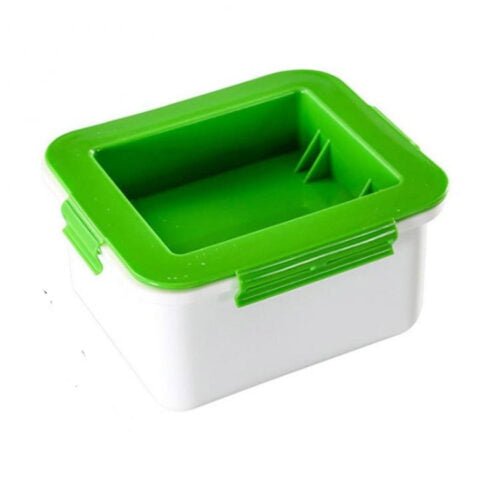
- Tofu mould or sieve lined with cloth
- Weight for pressing (e.g. a tin, jar of water, or book)
Steps:
- Soak the soybeans in plenty of cold water for 10–12 hours (overnight). They will roughly double in size.
- Drain the beans and blend them with about 2 litres of water until you obtain a smooth, milky mixture. Work in batches if needed.
- Transfer the slurry to a large pot and bring it to a boil over medium-high heat, stirring regularly. Soy milk foams up quickly, so keep an eye on it and lower the heat if necessary. Let it simmer for 10 minutes to remove the raw bean flavour and deactivate anti-nutritional compounds.
- Strain the hot mixture through cheesecloth or a nut milk bag into a clean pot. Squeeze out as much liquid as possible. The remaining pulp is okara, which can be used in baking or composted. You should end up with around 1.5–2 litres of soy milk.
- If the soy milk has cooled, reheat it to 80°C (do not exceed 85°C). Dissolve 6 g nigari in 100 ml warm water until fully clear.
- Add half of the nigari solution to the hot soy milk. Stir gently in a figure-eight motion for 5–6 strokes, then stop completely. The soy milk will begin to curdle. Let it rest for 2–3 minutes.
- Add the remaining nigari solution. Stir very lightly, just 2–3 strokes. As soon as you see clear yellowish whey separating from white curds, stop stirring. If the whey still looks milky, wait another minute. If needed, add a small extra amount of nigari dissolved in water.
- Cover the pot and leave it undisturbed for 15 minutes so the curds can fully form and settle.
- Line your tofu mould or sieve with damp cheesecloth. Carefully transfer the curds using a slotted spoon. Fold the cloth over the top.
- Place a weight on top (around 0.5–1 kg for soft tofu, 1.5–2 kg for firmer tofu) and press for 20–40 minutes, depending on your desired texture.
- Remove the tofu from the mould and place it in cold water for 10 minutes. This helps firm up the surface and removes any residual bitterness.
- Store the tofu in the refrigerator, submerged in fresh water. Change the water daily. It will keep for 3–5 days.
Tips:
- The two-stage addition (steps 6–7) is essential when using nigari. Adding it all at once can lead to uneven, grainy curds.
- If your tofu tastes bitter, you likely used too much nigari. Try reducing the amount to 5 g next time.
- Want to make silken tofu? Nigari isn’t suitable for that—use GDL (glucono delta-lactone) instead.
- Short on time? You can use unsweetened soy milk from an Asian grocery store. Avoid supermarket brands with added sugar, emulsifiers, or calcium.
Online tempeh making course 
Read More >
Tofu or bean curd is a kind of young ‘cheese’ made from curdled soybean milk. Make your own Japanese-style tofu with with our nigari tofu coagulant
In stock
Suggested Online Courses
Reviews
There are no reviews yet