
Fermented food: is it healthy? The honest story.
Fermentation is one of the oldest techniques we know for making food tastier, longer lasting and easier to digest. But in recent years, you hear more and more often that fermented food is also healthy. Is that true? And what exactly is fermentation? In this article, we explain what fermentation is and give you an honest, nuanced picture of what science currently has to say about it.

What is fermented food?
Fermented food is food that has been transformed by micro-organisms: bacteria, yeasts or moulds. These micro-organisms convert sugars and other compounds into substances like lactic acid, alcohol or acetic acid. That may not sound very appetising, but you eat the results almost every day: yoghurt, cheese, beer, wine and sauerkraut are all fermented products.
Fermentation is not new. For thousands of years, long before the invention of the fridge, people have used it to preserve food. But it does more than that: it also changes the flavour, the texture and the digestibility of what you eat.
A short, workable definition: fermentation is the transformation of food by micro-organisms to make it tastier, longer lasting or easier to digest.
Which foods are fermented?
More than you think. Chances are you had something fermented for breakfast this morning. A sandwich with cheese? Fermented. Yoghurt? Fermented. Coffee? Fermented. Even chocolate is fermented.
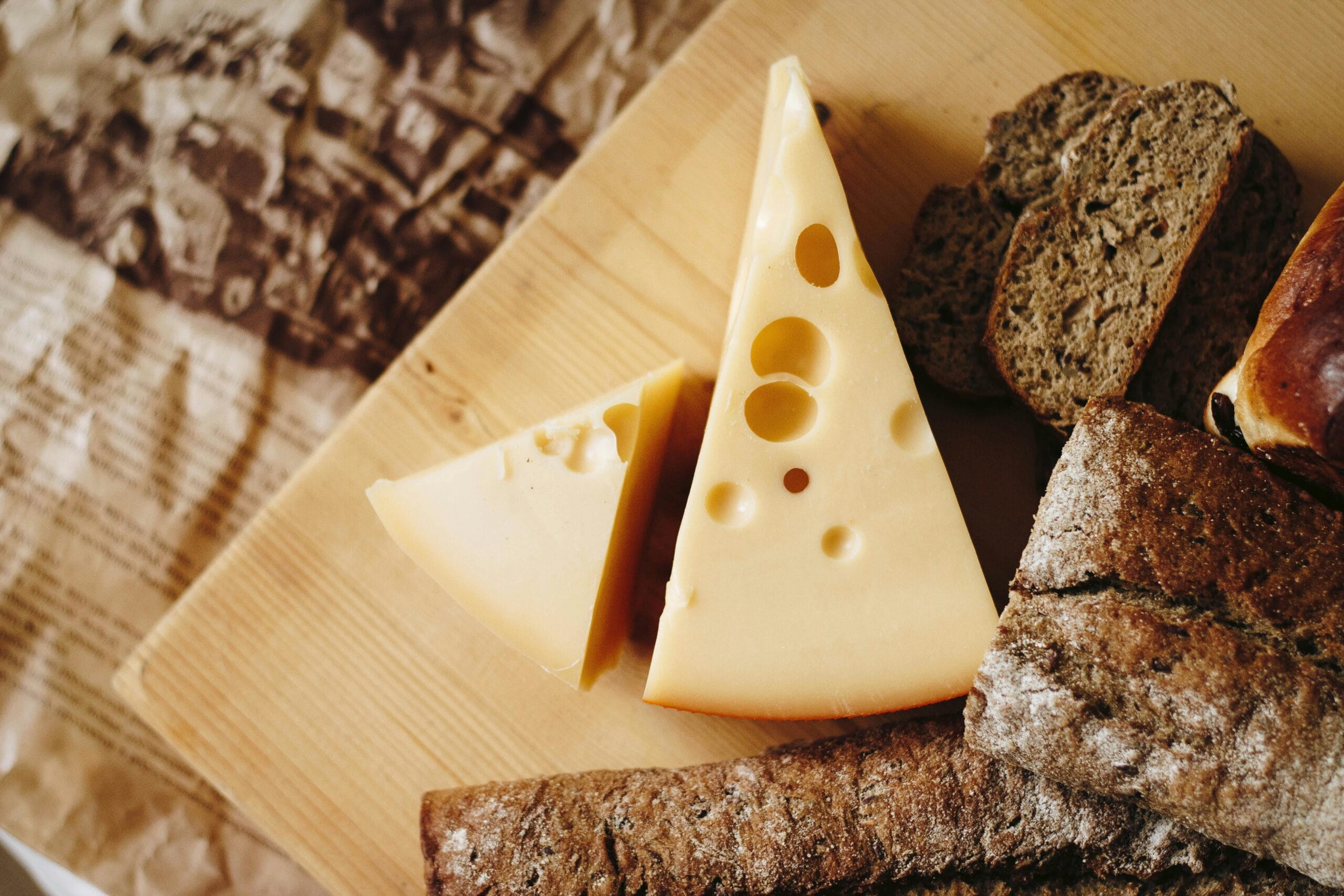
Dairy: yoghurt, kefir, quark, buttermilk and cheese. The lactic acid bacteria in these products convert lactose (milk sugar) into lactic acid, which gives them their typical tangy flavour and thick texture.
Vegetables: sauerkraut, kimchi, pickles and other brined vegetables. Important: truly fermented vegetables are not the same as vegetables pickled in vinegar. In fermentation, the acidity develops naturally through lactic acid bacteria.
Beverages: beer, wine, kombucha and water kefir. Kombucha is a fermented tea drink, water kefir a fermented soft drink made from sugar water. Both are fizzy and refreshing.
Bread: sourdough bread rises with the help of a mix of wild yeasts and lactic acid bacteria, rather than commercial baker’s yeast from a packet.
Soy and beans: tempeh, miso, soy sauce and natto. All of these are fermented soy products that have been used in Asian cuisines for centuries.
Surprises: coffee, tea and chocolate. The beans and leaves go through a fermentation step before they are dried and processed.
Is fermented food healthy?
Is fermented food healthy? The short answer: yes, fermented food can contribute to your health. But the honest answer is more nuanced than most websites will tell you.
What we know for certain
Let’s start with what is well supported. Eating fermented food demonstrably improves digestion. Recent large-scale meta-analyses (from 2025 and 2026) show that people who regularly eat fermented food have better bowel movements, less bloating and less gas. That’s not spectacular news, but it is solid evidence.
Fermentation also provides reliable help for people with lactose intolerance. The lactic acid bacteria in yoghurt and kefir break down a large portion of the lactose in milk. Many people who cannot tolerate regular milk can eat yoghurt or kefir without any problems.
What is likely
There are modest indications that fermented dairy, particularly yoghurt, is associated with a lower risk of type 2 diabetes and cardiovascular disease. These findings come mainly from large population studies. That is encouraging, but it is not hard proof yet. People who eat a lot of yoghurt often live healthier lives in other ways too, which makes it difficult to determine whether the yoghurt itself makes the difference.
What we don’t know yet
Then there are the claims you frequently come across online: fermented food is said to strengthen your immune system, protect your brain and even prevent cancer. The reality is that the scientific evidence for these claims is still very thin. Much of it is based on animal experiments or laboratory studies, not on research in humans. The European Food Safety Authority (EFSA) consistently refuses to approve health claims based on this type of evidence.
One more thing worth knowing: not all fermented products still contain live bacteria by the time you eat them. Supermarket kombucha is almost always pasteurised (heated), which kills the bacteria. If you want live bacteria, choose unpasteurised products, or make them yourself.

Why is fermented food healthy?
The health benefits of fermented food come down to three core processes.
Fermented products introduce live micro-organisms into your digestive tract. These bacteria help digest food and keep harmful bacteria in check. Think of them as reinforcements for the ecosystem in your gut.
During fermentation, those micro-organisms produce a range of useful compounds. Lactic acid is the best known, but they also generate vitamins (especially B vitamins and vitamin K), short-chain fatty acids that serve as fuel for your gut lining cells, and bioactive peptides with a mild blood-pressure-lowering effect.
Fermentation breaks down certain substances that would otherwise block the absorption of nutrients. Phytic acid in grains and legumes, for example, binds to minerals like iron and zinc and prevents your body from absorbing them. Fermentation (as in sourdough) breaks down most of that phytic acid, making those minerals far more available.
Get started yourself
Fermenting at home is simpler than you think, and you don’t need expensive equipment. It’s great fun and you can let your creativity run wild. Start with something easy: a batch of yoghurt with a starter culture (ready in just 6 hours), sauerkraut that needs nothing more than cabbage and salt, or a glass of water kefir.
Research shows that the health effects are considerably stronger for artisanally produced fermented foods than for their industrial counterparts, for instance in the case of milk kefir. One more reason to have a go yourself.
Our Introduction to Fermentation course teaches you everything about the technique, so you understand what you’re doing. Because that’s the trick: once you understand how fermentation works, you can ferment anything.
About the author (Meneer Wateetons)
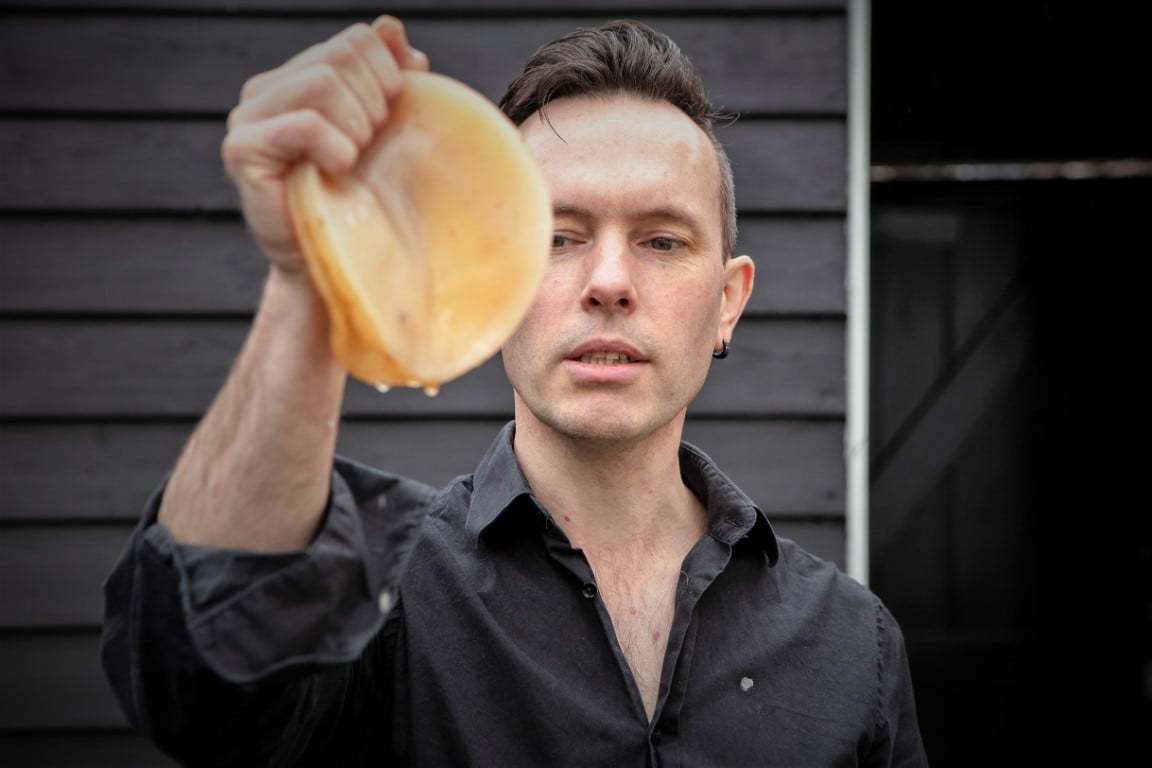
Meneer Wateetons is a renowned Dutch foodwriter, teacher, fermentation specialist, sausage maker and the owner of startercultures.eu. He has written 9 books on culinary topics such as fermentation, alcohol making, sausages and charcuterie making and deep frying. He has taught many hobbyists, chefs and food professionals about these topics.
Related Posts
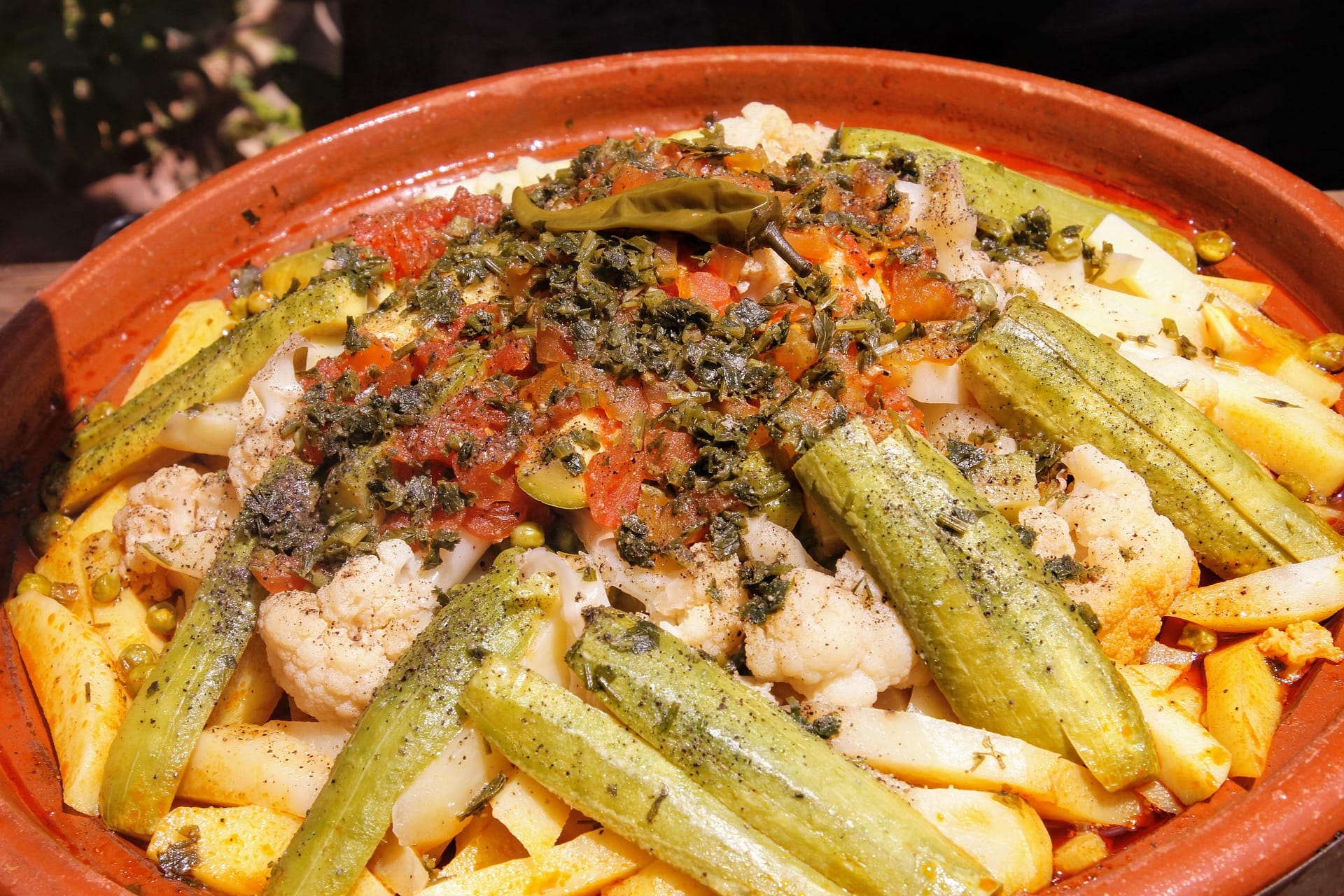
Preserved lemons: how to salt-cure and ferment your own
Preserved lemons are a Moroccan staple. We cover two routes: the classic salt-cured method, and a low-salt version that genuinely ferments. Plus variations, peel advice and common mistakes.

How to make yogurt at home – and answer to all your questions
Learn how to make yogurt at home: from Greek yogurt to Bulgarian yogurt and skyr. With an extensive FAQ covering the most common questions and problems.

What is kombucha?
What is kombucha? Discover what this tangy fermented tea drink is: the SCOBY, the flavour, where it comes from, and how to brew and drink it yourself.