Welcome to
Starter Cultures

Greetings from Meneer Wateetons!

As a renowned Dutch food writer, fermentation specialist, and sausage maker, I’m excited to welcome you to Starter Cultures — the shop for all home fermenters and fermentation hobbyists.

From Kombucha SCOBYs to yogurt starters, and from meat cultures and casings to molds for crafting vegan cheeses, we have everything you need to embark on your home fermentation journey.

At Starter Cultures, we’re also about sharing knowledge, and fostering enthusiasm for the art of fermentation. That’s why we offer a diverse range of online courses to empower you in your fermenting endeavors, and we’re always ready to lend a helping hand through our chat support.

Happy Fermenting!

Our bestsellers

What our customers say

The service was outstanding. I ordered 3 cheese starter cultures and they arrived at my door the next day. And this was between Christmas and New Years, a very busy time of year for everyone and I was amazed to receive my order within 24hours when many businesses are closed for the holidays. Thank you for such amazing service!

Scott

“Good, prompt advice and quick delivery to the UK.”

Sarah

“Top notch! I received some extra sausage casings too, I’ll be putting them to good use. Cheers and great work!”

João P.

fermentation fundamentals courses

Tempeh

Make tempeh from ANY bean

From €50 For €27

In 25+ lessons learn all about making Tempeh at home in our Tempeh making course, traditional as well as modern and innovative.

Including many FREE bonusses such as a recipe e-book, the downloadable powerpoint, a certificate of completion and access to our private Facebookgroup.

Miso

Create unique savory miso's

From €50 for €27

In 25+ lessons learn EVERYTHING about making Miso at home, in our Miso making course. We’ll teach you the traditional Japanese way, as well as the techniques to make completely novel miso’s.

The course comes with many FREE bonusses such as a recipe e-book, the downloadable powerpoint, a certificate of completion and access to our private Facebookgroup.

Kombucha

Make your own tasty and unique soda's

From €50 for €27

In 35+ lessons online course, you will learn all about fermenting Kombucha at home. We’ll teach you traditional black tea kombucha, as well as techniques to make healthy and tasty kombucha from any ingredient, giving you endless possibilities.

The course comes with many FREE bonusses such as a recipe e-book, the downloadable powerpoint, a certificate of completion and access to our private Facebookgroup.

Featured RECIPE

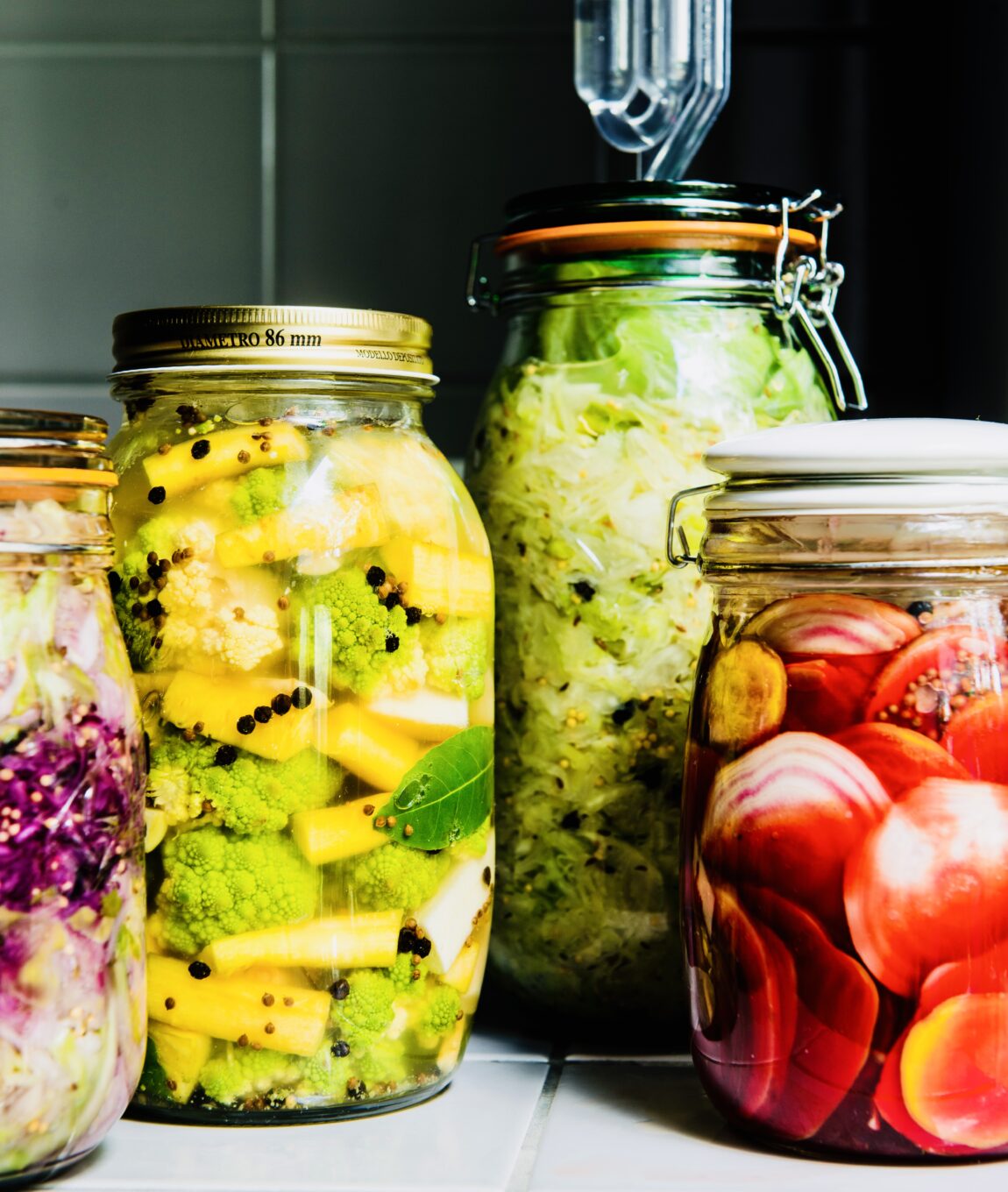
  • How to make sauerkraut: recipe and everything about fermentation Category: Fermentation Making sauerkraut is one of the easiest things you can do in the kitchen. All you need is cabbage, salt, and a jar. But how much salt? How long does it take? And why does a white film sometimes appear on the surface? In this article you will learn how cabbage fermentation works, what to look out for, and at the end you will find a tried-and-tested recipe for making your own sauerkraut. How to make sauerkraut: how does fermentation work? White cabbage is naturally full of lactic acid bacteria and sugars. When you add salt and cut off the oxygen supply, those bacteria get to work: they convert sugars into lactic acid. This lactic acid lowers the pH of your cabbage to a level where spoilage and pathogenic bacteria can no longer survive. Your cabbage is preserved. It is one of the cleverest preservation methods humanity has ever come up with. But there is more to it than just preservation. The same bacteria also produce aromas, carbon dioxide, and dozens of other compounds that turn a fairly bland white cabbage into something entirely new (and delicious). Sauerkraut does not taste like cabbage with acid added to it. It tastes like sauerkraut. Those are two different things. The bacteria, the sugars, and the moisture: everything you need is already in your cabbage. You just need to give it the right conditions. Want to learn more about how vegetable fermentation works in general? Read our step-by-step guide for beginners. Making sauerkraut from white cabbage White cabbage is the classic choice, and for good reason. It contains enough water to submerge the sauerkraut in its own brine during fermentation. Slice it as thinly as possible: thin strips give more flavour and a better texture. A wooden vegetable slicer makes this job much quicker and more comfortable. Pointed cabbage (spitskool) is the perfect beginner’s vegetable. Contrary to what you might expect, pointed cabbage releases moisture very easily with just a little kneading or pounding. Its flavour is slightly milder and sweeter than that of white cabbage. Other varieties such as red cabbage or savoy cabbage ferment perfectly well too. Adding a small amount of red cabbage to white cabbage gives you a beautiful pink sauerkraut. Fermenting sauerkraut: the role of salt Salt is the most important ingredient after the cabbage itself, but not because it does the preserving. The acid does the actual preservation work. Salt gives the lactic acid bacteria a head start: they tolerate salt better than most other micro-organisms. By adding the right amount of salt, the unwanted guests (yeasts, moulds, spoilage and pathogenic bacteria) are suppressed, allowing the lactic acid bacteria to do their work undisturbed. The right amount is 2%, or 20 grams per kilogram of cabbage. That number is not arbitrary: below 2%, the inhibition is insufficient and [...]

New products

Tips and inspiration

  • How to make sauerkraut: recipe and everything about fermentation Category: Fermentation Making sauerkraut is one of the easiest things you can do in the kitchen. All you need is cabbage, salt, and [...]

  • Kombucha is a tangy, slightly fizzy drink made from fermented tea. Learn how to brew it at home step by step, with a SCOBY, without one, and with your own flavour combinations like ginger kombucha

  • Is fermented food healthy? We look at what science actually says: what is proven, what is likely, and what is still uncertain. Plus tips for getting started yourself.

ABOUT
Starter Cultures

Startercultures.eu was founded in 2018 by Dutch foodwriter ‘Meneer Wateetons’.

At that time he had authored several books on sausage making and fermentation. One of the most frequently asked question he got from readers was: “Love the books, but where can I find those starter cultures needed for making dry cured sausages/tempeh/miso etc”. After having pointed his readers to their butcher, or shops in Japan, China or Indonesia with crazy shipping times and costs for years, he decided to start offering these products himself.

A webshop was born.